12 Nov 2026
Tracing Legislative Influences on Participation Patterns in Ireland's Digital Gaming Landscape
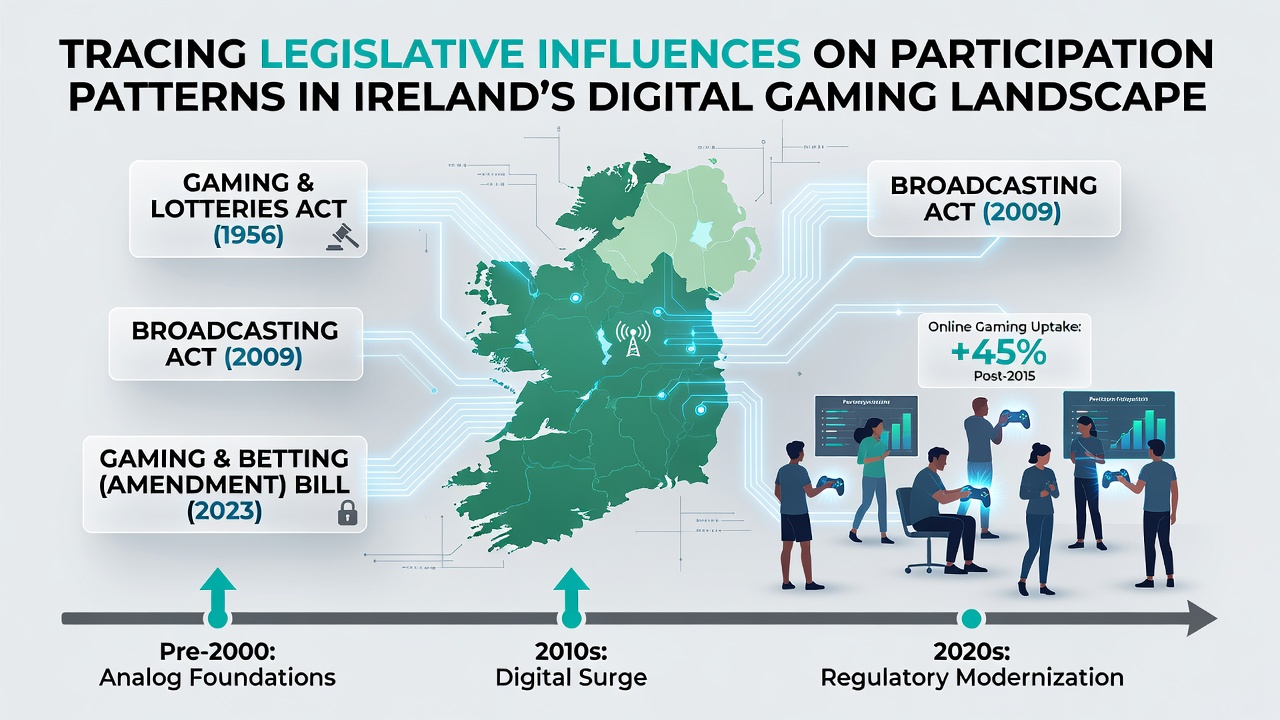
Legislative developments in Ireland have shaped participation patterns in digital gaming through successive regulatory frameworks that address licensing, taxation, and consumer protections, and these changes continue to influence how individuals engage with online platforms. Early statutes such as the Gaming and Lotteries Act of 1956 established foundational controls on gaming activities, yet the rise of internet-based gaming prompted later reforms that expanded oversight to digital environments.
Early Regulatory Foundations and Shifts in Access
Observers note that the Betting Act of 1931 and subsequent amendments created licensing structures that initially focused on land-based operations, and these rules indirectly limited digital participation until technological advances outpaced existing statutes. Data from national surveys indicate that participation in digital gaming remained modest through the early 2000s, partly because operators lacked clear authorization pathways under outdated provisions.
Researchers have documented how the absence of specific digital provisions led many participants to access offshore platforms, and this pattern persisted until legislative attention turned toward harmonizing rules with European Union directives on electronic commerce and consumer rights. By the 2010s, government reports revealed growing engagement with digital formats, prompting calls for updated legislation that would bring operators under domestic supervision.
Key Legislative Milestones and Participation Data
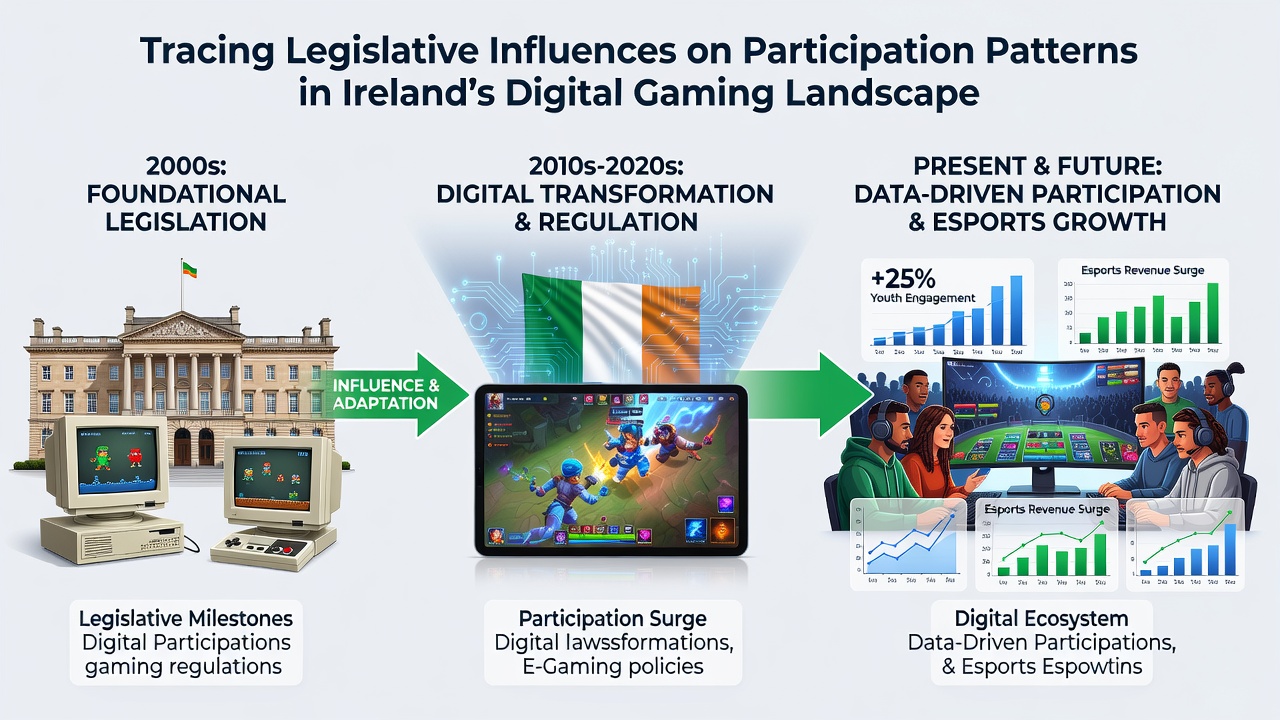
The Gambling Regulation Act introduced in recent years marked a significant expansion of regulatory scope, and it established the Gambling Regulatory Authority of Ireland to oversee licensing for online activities. Figures from industry analyses show that licensed digital gaming participation increased following the announcement of these measures, as participants gained access to verified platforms with standardized safeguards.
Studies conducted by academic institutions have tracked how taxation policies embedded in new laws affected spending patterns, and evidence indicates that clearer tax obligations for operators correlated with shifts toward domestic sites rather than unregulated alternatives. Those who've examined participation statistics note that age verification requirements and responsible gaming mandates introduced under these frameworks coincided with changes in demographic engagement, particularly among younger adults who previously relied on international services.
Comparative Influences from Broader European and International Standards
Irish legislation has incorporated elements from EU-wide approaches to digital services, and this integration has aligned participation rules with directives on data protection and online safety. Reports from the European Commission highlight that member states adopting similar frameworks experienced measurable adjustments in cross-border gaming activity, and Ireland's position within this network produced comparable outcomes.
Academic research from Canadian institutions has compared regulatory models across jurisdictions, revealing that Ireland's emphasis on operator accountability mirrors strategies used elsewhere to stabilize participation rates. Data compiled by trade associations further demonstrates that transparent licensing processes reduced reliance on grey-market options, and this transition appears in national usage statistics compiled after each major reform.
Anticipated Developments Around November 2026
Implementation schedules attached to current legislation point toward additional provisions becoming active by November 2026, and these updates include enhanced reporting obligations for digital platforms alongside expanded consumer education initiatives. Government planning documents outline how these measures aim to refine existing participation monitoring systems without introducing abrupt restrictions.
Analyses from research bodies suggest that prior legislative phases produced gradual rather than sudden shifts in engagement levels, and observers expect the 2026 milestones to follow similar trajectories based on historical patterns. Coordination with international bodies such as the OECD continues to inform these timelines, ensuring alignment with global standards on digital commerce.
Conclusion
Legislative influences on Ireland's digital gaming landscape have unfolded through incremental reforms that respond to technological change and international obligations, and available data illustrate corresponding adjustments in how participants interact with online environments. Continued monitoring by regulatory authorities will track the effects of upcoming provisions, providing further evidence on long-term participation trends.